
The Invisible Burden: Supporting Caregivers in Malaysia's Ageing Society
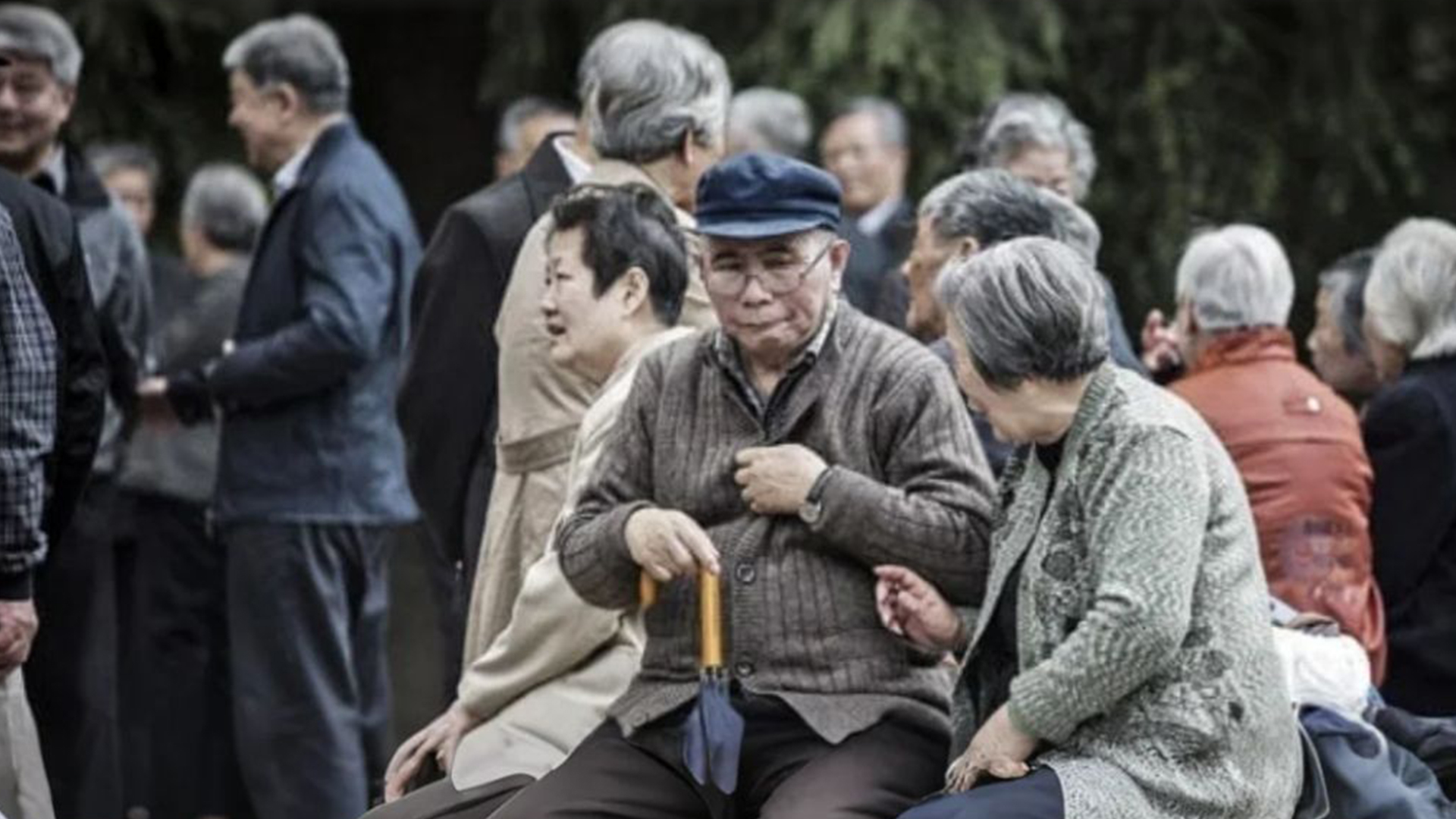
"My anxiety reached a point when even hearing the phone ring would make my heart race."
This poignant statement encapsulates the often-unseen emotional toll on those caring for ageing loved ones. While eldercare in Malaysia is traditionally a family responsibility, the changing social landscape is placing immense strain on caregivers, particularly adult children navigating care from a distance.
With shrinking family sizes, more women in the workforce, and widespread urban migration, caregivers are stretched impossibly thin. Studies show that women still shoulder a disproportionate amount of unpaid care work, leading to missed promotions, lost income, and deteriorating mental health.
The question arises: "We keep asking ourselves: who will care for us when we grow old? But maybe the more urgent question is: who’s caring for the caregivers now?"
Caregiver burnout is real, with consultant psychiatrists witnessing firsthand the emotional toll of resentment, guilt, and loneliness. Seeking help, engaging in creative outlets, and finding support groups are vital for managing mental health.
These personal stories highlight a deeper, systemic problem: Malaysia's eldercare infrastructure is fragmented, under-resourced, and heavily reliant on families. As the nation ages, we must address not just how seniors are cared for, but how the system supports those who care for them.
Statistics reveal a concerning trend, with a significant increase in patient abandonment, particularly among seniors. Projections indicate a substantial rise in the percentage of citizens aged 65 and above in the coming years.
To truly support our ageing population, the Malaysian government needs to prioritise an integrated healthcare system that ensures seamless care, especially for seniors managing chronic conditions. Community-based programs can promote active ageing and serve as vital support hubs. The much-needed Senior Citizens Bill, aiming to ensure the elderly are treated with dignity, respect, and fairness, is still awaited.
Caregivers and experts call for essential reforms: expanding access to affordable home-based care, investing in long-term geriatric care facilities, implementing cash-for-care allowances, and recognising unpaid care work through tax relief and caregiver leave policies.
Ultimately, the elderly are not simply recipients of charity; they have rights and contributions to society. If Malaysia continues to treat eldercare as a private, invisible burden, we risk failing both seniors and those who look after them. Real support means infrastructure, policy, and a national commitment to dignity in ageing.
So, before we ask who will care for us when we grow old, we must ask – who’s caring for the caregivers now?
Source: Free Malaysia Today
Live Well · Be Present
Book an appointment for your visit
We welcome everyone to live well and be present with us.

Links
Contact Us
Phone / WhatsApp
Address
17, Jalan Resam, Taman Bukit Tiram, 81800 Ulu Tiram, Johor
Operating Hours
All Day: 11am - 5pm
(Holiday hours may be differ, Please Inquiry for Appointment)
We welcome families to come see our home for themselves. To ensure a comfortable experience for all our residents, visits are by appointment. Call or WhatsApp us to book your tour — we'd love to show you around.